Summary:
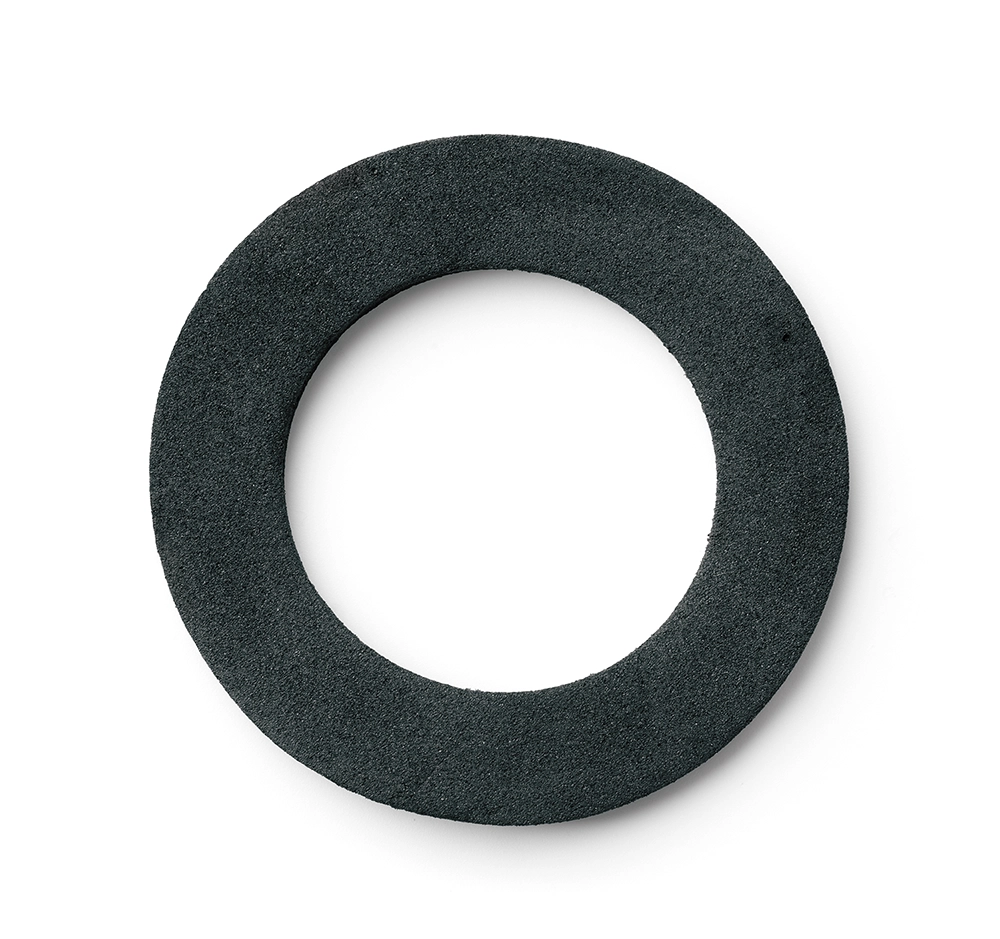
Common applications include HVAC systems, automotive assemblies, electrical enclosures, and marine-grade sealing. In most industrial use cases, a neoprene rubber gasket is selected for its dependable performance under moderate temperature and environmental exposure.
Key selection factors include Shore A hardness, gasket thickness, and whether a standard or custom-cut neoprene gasket is required. This makes neoprene a practical, versatile solution for general-purpose industrial sealing.
Neoprene, also known as Chloroprene Rubber Foam (CR), remains one of the most widely specified materials for industrial sealing. A neoprene rubber gasket is commonly chosen where engineers need consistent sealing performance, long service life, and predictable behaviour under moderate environmental stress.
Even with newer elastomers available, neoprene continues to be used in industries asking:
What is a neoprene gasket used for, and why is it still preferred? The answer lies in its balance of durability, flexibility, and cost efficiency across a wide range of operating environments.
Key Benefits That Make Neoprene the Preferred Choice
Resistance to Oil, Weather and Ozone
One of the most important reasons neoprene remains widely used is its ability to withstand everyday industrial exposure conditions.
A neoprene gasket material performs reliably against:
- Moderate oils and greases
- Outdoor weathering and UV exposure
- Ozone and atmospheric oxidation.
This makes it suitable for outdoor gasket sealing applications, such as rooftop HVAC units, electrical cabinets, and external enclosures.
In practical terms, neoprene reduces common failure issues such as:
- Surface cracking
- Hardening over time
- Loss of compression seal integrity.
Durability Under Heat and Compression
Neoprene gaskets typically perform within a temperature range of -51°C to +107°C, depending on formulation.
This makes them suitable for:
- HVAC duct sealing
- Engine bay secondary seals
- Industrial equipment housings.
A key advantage is its compression set resistance, meaning the gasket can recover after long-term compression. This is critical in bolted joints where torque is fixed and not frequently adjusted.
For engineers wondering if neoprene is good for sealing under pressure, the answer is yes — within moderate load and temperature conditions.
Typical Applications Across Industrial Sectors
Sealing Solutions for HVAC and Automotive
| Sector | Typical Neoprene Gasket Uses | Performance Reason |
| HVAC | Duct flanges, access panels, filter housings | Air-tight sealing with vibration tolerance |
| Automotive | Lamp seals, body panels, service covers, anti-rattle pads | Moisture resistance + vibration damping |
Automotive and Electrical Enclosure Uses
Electrical systems often require protection against dust, moisture ingress, and environmental ageing.
Common applications include:
- Electrical cabinet door seals
- Junction box gaskets
- Control panel enclosures
- Outdoor equipment housings.
A neoprene gasket is often preferred over harder plastics because it maintains consistent compression sealing without becoming brittle.
In industrial environments, it also performs well where:
- Vibration is present
- Surfaces are not perfectly flat
- Enclosures require repeated opening and closing.
Gasket performance depends on grade, Shore A hardness, thickness, and operating environment. Choosing correctly early helps avoid sealing failure and costly downtime. Contact us for technical guidance on neoprene rubber gasket selection and custom fabrication options.
Comparing Neoprene with Alternative Elastomers
Different elastomers are chosen based on exposure conditions. The table below helps clarify where neoprene fits in practical selection.
Material | Main Strengths | Limitations | Typical Applications |
EPDM | UV, steam, and weather resistance | Poor oil resistance | Outdoor water sealing |
Nitrile (NBR) | Oil and fuel resistance | Weak weather durability | Hydraulic systems |
Silicone | Wide temperature range | Higher cost, lower strength | Food and electrical use |
PTFE | Chemical resistance | Low elasticity | Chemical processing |
FKM | High heat and chemical resistance | Expensive, over-specified for general use | High-performance engines |
Neoprene | Balanced oil, weather, ozone resistance | Not suitable for extreme chemicals or high heat | General industrial sealing, HVAC, enclosures |
Choosing the Right Neoprene Gasket for Your Needs
Selecting Appropriate Grades and Hardness
Neoprene gaskets are available in different hardness levels, typically measured in Shore A.
- Soft Neoprene Gaskets: Better for uneven surfaces and low compression force sealing.
- Medium Grades: Most common for general industrial sealing applications.
- Hard Neoprene Gaskets: Suitable for high clamp load applications and structural sealing.
What Shore hardness should a neoprene gasket have? The answer depends on whether sealing pressure or surface conformity is the priority.
Size, Thickness, and Customisation Options
Gasket thickness directly influences sealing behaviour and compression performance.
- Thicker Gaskets: Better surface compensation.
- Thinner Gaskets: Higher dimensional stability.
- Custom Die-Cut Shapes: Improved fit for complex housings.
Common formats include:
- Die-cut neoprene gaskets for flanges
- Adhesive-backed gasket strips for enclosures
- Custom-cut pads for vibration isolation
- Laminated gasket assemblies for multi-function sealing.
For complex assemblies, a custom neoprene gasket solution is often required to ensure proper sealing around fasteners, corners, and irregular surfaces.
Purchase Quality Neoprene Gaskets from WTEC Group
For industrial and commercial applications requiring reliable sealing performance, WTEC Group supplies engineered foam and gasket solutions in Malaysia, including neoprene materials for sealing, insulation, and custom fabrication.
If you need assistance selecting the correct neoprene rubber gasket specification, or require custom converting support, get in touch with us for technical guidance and project support today.